
 1
1Budapest
Base · 1–4 days
The non-negotiable first stop: Danube views, Buda’s hills, Pest’s grand 19th-century streets, Jewish Quarter food and nightlife, and baths worth choosing carefully rather than collecting. Give it three or four nights; it is much richer than a quick capital-city checklist.
first-timersarchitecture loversfoodies
 2
2Danube Bend
Short stop · 1 day
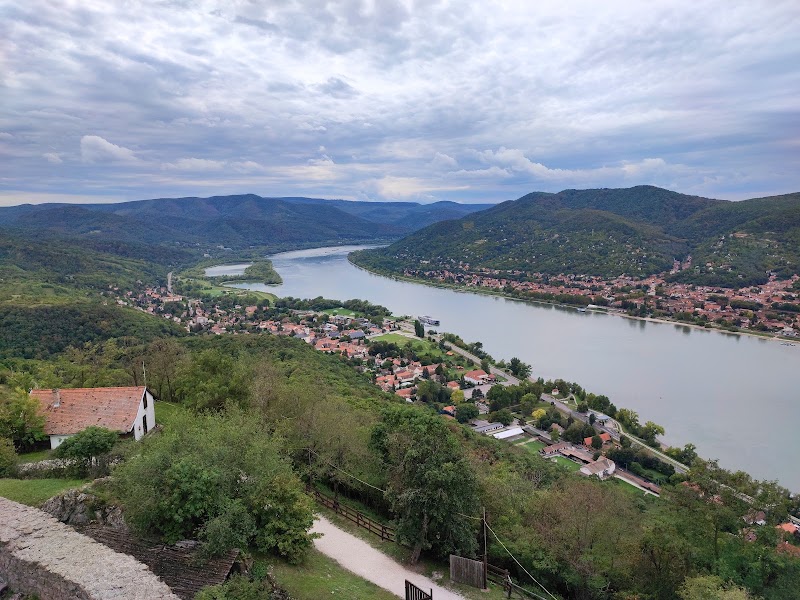
The easy scenic break north of Budapest: Szentendre for an artsy riverside wander, Visegrád for citadel views, and Esztergom for the enormous basilica. Treat it as a day trip or one-night escape, not three separate destinations.
first-timerscyclistshistory lovers
 3
3Lake Balaton and the Balaton Uplands
Base · 2 days
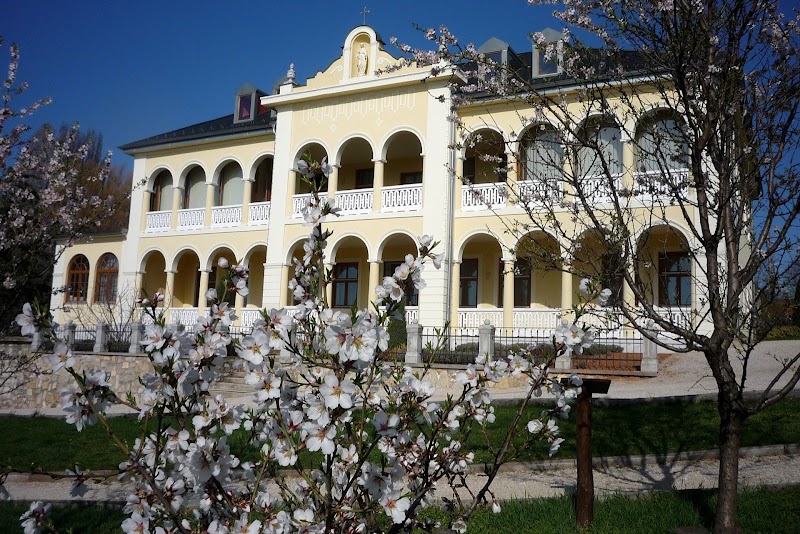
Hungary’s summer lake country splits cleanly in two: south-shore beach resorts for families, north-shore volcanic hills, villages and wine for everyone else. Base around Balatonfüred, Tihany, Badacsony or the Káli Basin if scenery and eating matter more than resort crowds.
familiescyclistswine drinkers
 4
4Eger and the Bükk Foothills
Base · 2 days
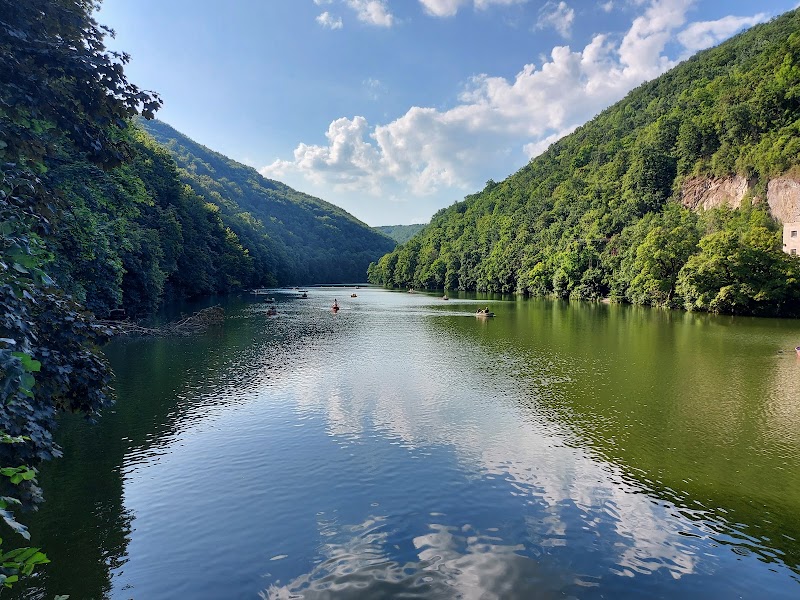
Eger is the easiest two-night regional add-on from Budapest: a compact baroque core, castle, minaret, baths and cellar tastings in the Valley of the Beautiful Woman. It works because the town is manageable and the surrounding Bükk hills add an outdoor option without requiring a complicated itinerary.
first-time regional travelerswine beginnerscouples
 5
5Tokaj-Hegyalja
Base · 3 days
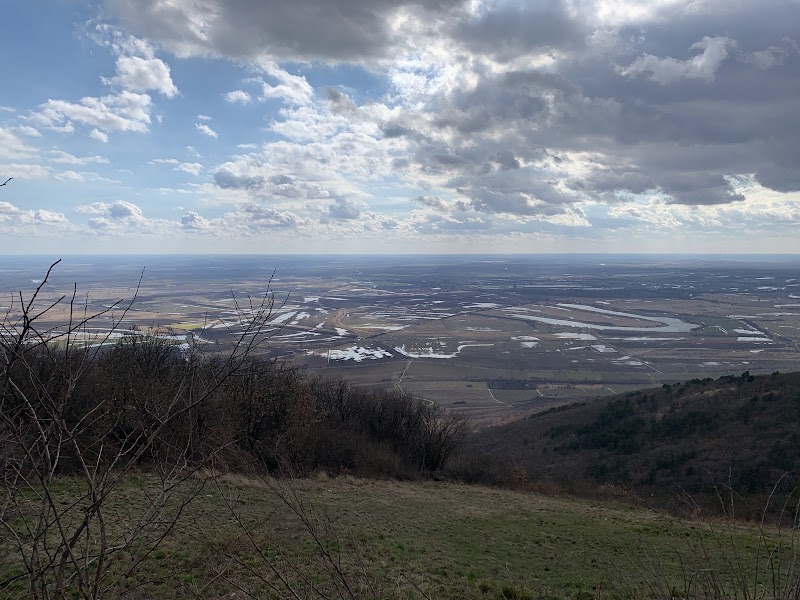
This is Hungary’s serious wine detour: Tokaji Aszú, dry Furmint, old cellars and volcanic vineyard villages such as Mád, Tarcal and Erdőbénye. Stay several nights and arrange tastings; public transport gets you in, but a car or driver makes the region far more useful.
wine loversfoodiescouples
 6
6Pécs and Villány
Base · 4 days
Pécs supplies Ottoman traces, Roman-Christian heritage, galleries and university-city energy; Villány adds cellar-door Cabernet Franc near the Croatian border. This is a strong south-Hungary pairing, but it needs at least two nights in Pécs and is substantially smoother with a car for the wine villages.
wine loversarchitecture loversmuseum travelers
 7
7Szeged
Base · 2 days
An easygoing Tisza-side university city of broad post-flood boulevards, café life and assertive regional food. Come for fish soup, paprika, salami traditions and a less overworked version of Hungarian urban travel; one or two nights is enough.
foodiesarchitecture loversrepeat visitors
 8
8Debrecen and Hortobágy
Base · 2 days
This is the route into the Great Plain: Debrecen is the practical city base, while Hortobágy delivers grassland, birdlife, traditional livestock and huge skies. The puszta is subtle rather than spectacular on arrival, and a car makes a major difference.
nature travelersbirdersphotographers
 9
9Sopron and Fertő/Neusiedlersee
Near the Austrian border, Sopron offers historic streets, Kékfrankos wine and access to the understated wetlands and cycling routes around Lake Fertő. It makes particular sense on a Vienna–Hungary itinerary, not as a substitute for Budapest’s major sights.
cyclistswine drinkersAustria-Hungary itineraries
 10
10Győr and Pannonhalma
Győr is a handsome baroque rail stop between Budapest and Vienna, while nearby Pannonhalma Abbey is the real reason to linger: library, gardens, wine and a working Benedictine setting. Use taxis or a car for the abbey rather than trying to build a day around bus connections.
rail travelersarchitecture loverssacred-history fans
Sample routes
Essential first trip: capital, wine and the lake
8 daysBudapest (4 days) → Eger and the Bükk Foothills (2 days) → Lake Balaton and the Balaton Uplands (2 days)
The cleanest first Hungarian itinerary: Budapest gets enough time for more than a Parliament-and-bath sprint, Eger adds compact history and accessible wine, and the north shore of Balaton delivers volcanic scenery and better eating than the resort-heavy south. Budapest–Eger is easy by direct train; Eger to Balaton is the awkward leg, usually via Budapest or with a clumsy connection, so treat it as a real transfer day.
Plan this routeSouthern Hungary for food and wine
10 daysBudapest (3 days) → Pécs and Villány (4 days) → Szeged (2 days) → Budapest (1 day)
For travelers who would rather drink Cabernet Franc, eat fish soup and see Ottoman-era remnants than repeat the standard Budapest–Balaton circuit. Give Pécs two days and use the other two to reach Villány’s wineries; then continue to Szeged for its broad boulevards and serious regional food. This is much smoother with a car after Budapest—public transport works, but the Pécs–Villány–Szeged sequence is not elegant.
Plan this routeNortheast wine country, done properly
9 daysBudapest (3 days) → Eger and the Bükk Foothills (2 days) → Tokaj-Hegyalja (3 days) → Budapest (1 day)
A focused route for wine-minded travelers, especially in autumn. Eger is the easy, sociable introduction; Tokaj-Hegyalja is the serious part, where Mád, Tarcal and cellar appointments reward staying put. Rail handles Budapest–Eger well, but onward to Tokaj usually means a connection; rent a car for the regional portion or pre-arrange drivers rather than trying to improvise winery logistics.
Plan this routeThe deeper east and north loop
14 daysBudapest (3 days) → Danube Bend (1 day) → Eger and the Bükk Foothills (2 days) → Tokaj-Hegyalja (3 days) → Debrecen and Hortobágy (2 days) → Szeged (2 days) → Budapest (1 day)
A properly paced two-week route that shows Hungary beyond its capital: the Danube’s imperial scenery, northern wine towns, Tokaj’s vineyard villages, then the flat, spare Great Plain and Szeged’s southern food culture. It deliberately skips Balaton and Pécs rather than turning into a national checklist. Rent a car after Budapest for Tokaj–Hortobágy–Szeged; this is possible by train and bus, but several cross-country legs are slow and poorly aligned.
Plan this route


